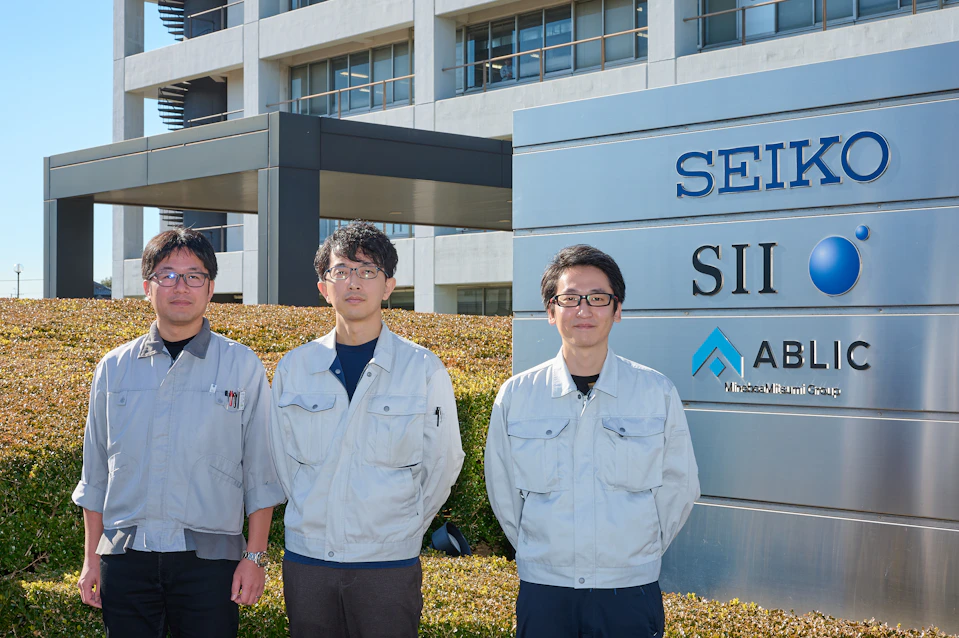
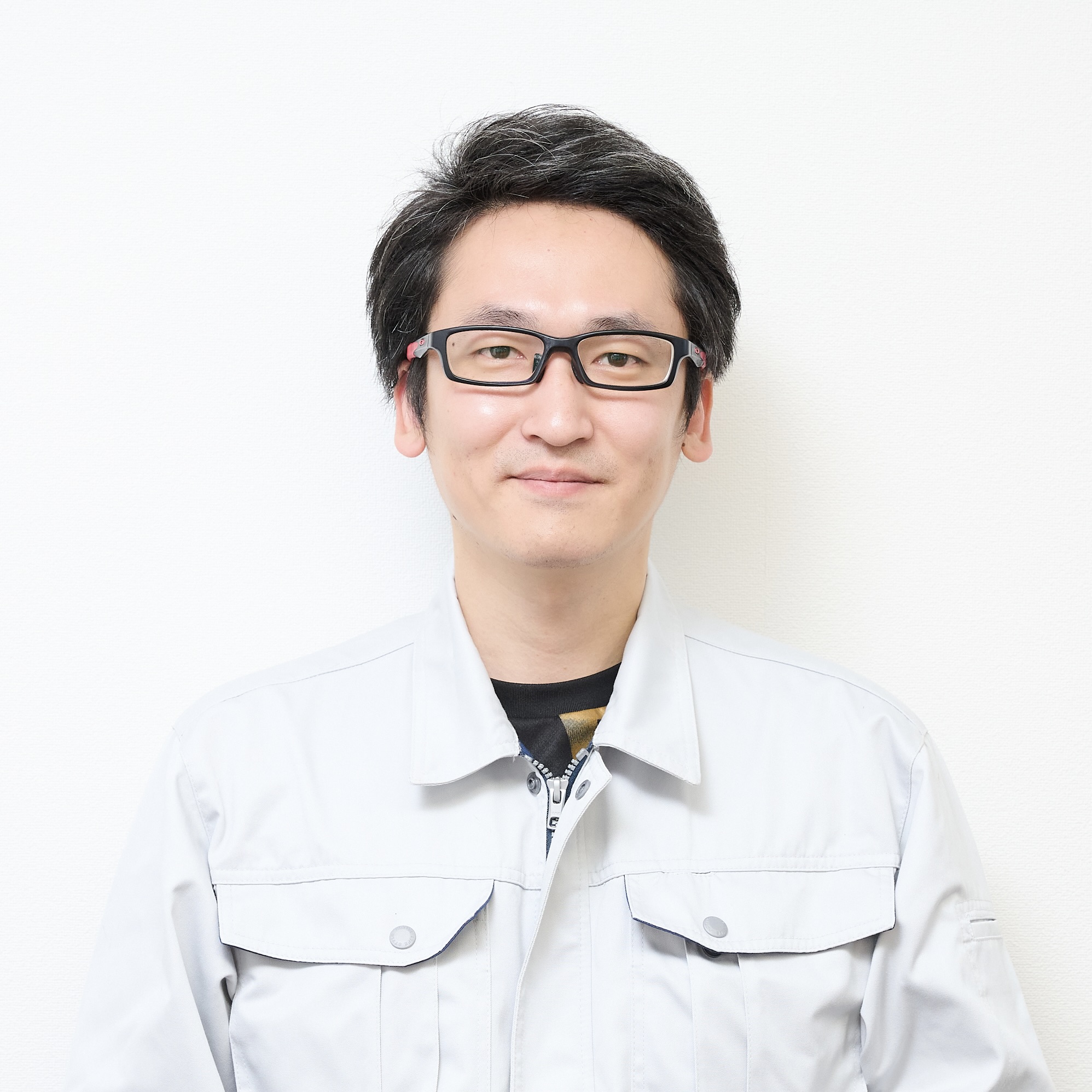
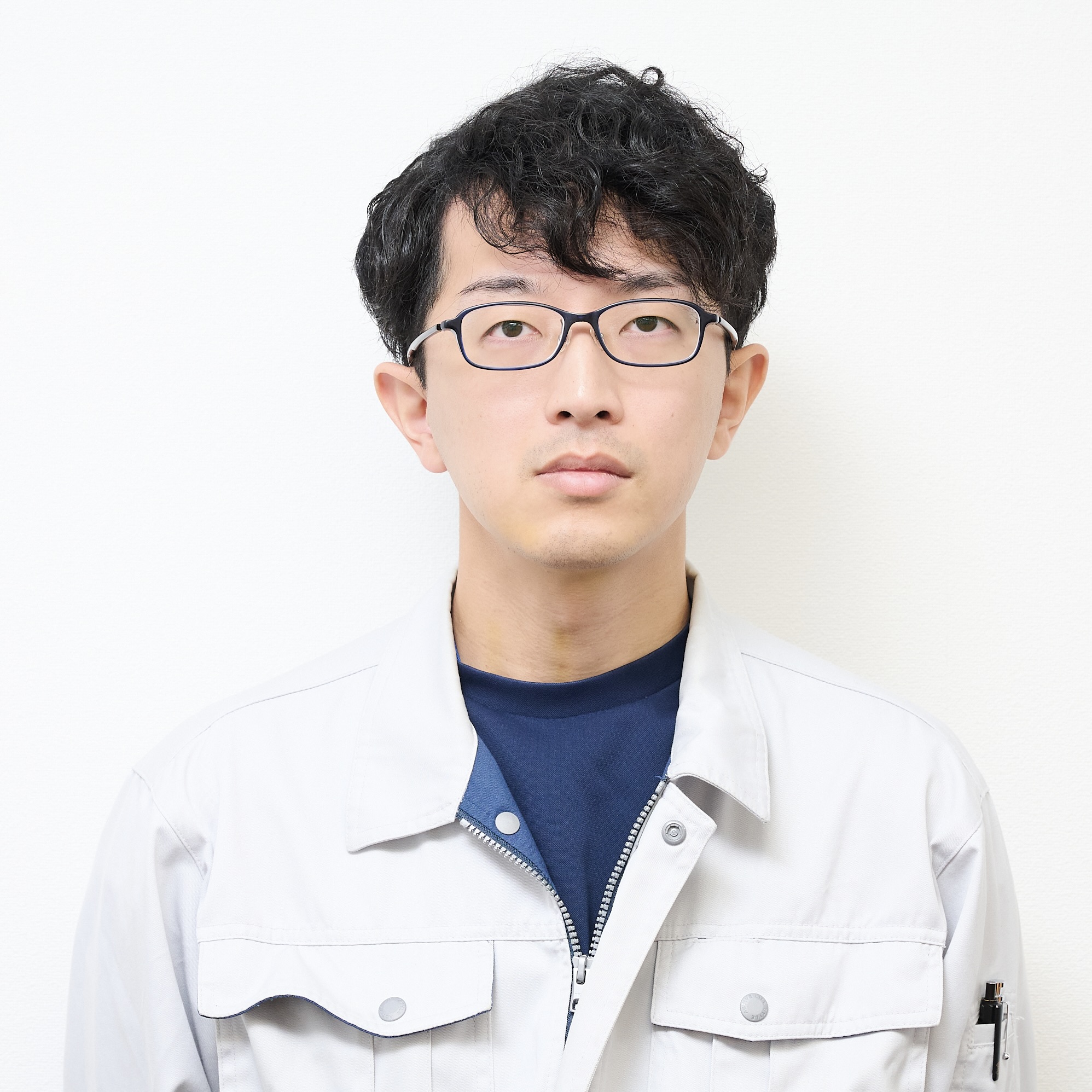
Seiko Future Creation Inc. is the R&D and production-engineering arm of the Seiko Group, whose businesses span watches and much more. As well as supporting technology and new-business development across the group, the company draws on decades of accumulated reliability and engineering expertise to help external customers solve their own challenges through contract analysis and factory automation services.
The Materials Chemistry Group within the company's Advanced Development Department began exploring Materials Informatics (MI) in 2022 and adopted Hands-on MI® in November of that year. We spoke with Naoki Amano, Kazuma Yoshikawa and Nagayuki Kimura of the Materials Chemistry Group about what drove the decision and where the work is heading next.
Developing Materials Five Years Ahead to Create Value and Solve Real Problems
To start, could you tell us about the Materials Chemistry Group within the Advanced Development Department?
The Materials Chemistry Group within the Advanced Development Department is responsible for creating value and solving problems across the Seiko Group through materials development.
Historically we have developed metal materials for products such as watches, metal diaphragms, valves and stems for artificial hip joints. We work ahead of product development, focusing on the functions and products the market will need five years from now.
Because we can also take on topics closer to basic research, we are arguably one of the easier places within an operating company to put MI to work.
How is the Materials Chemistry Group currently organised to drive MI adoption?
As Manager of the Materials Chemistry Group, I lead the MI effort overall, with Yoshikawa heading the work on the ground as topic lead.
We are careful never to let either analysis or experiment race ahead of the other, and have built a structure in which Kimura — who handles the computational side, including simulation and machine-learning model development — and Yoshikawa and his team, who run experiments and evaluate the results, can collaborate and challenge each other closely.
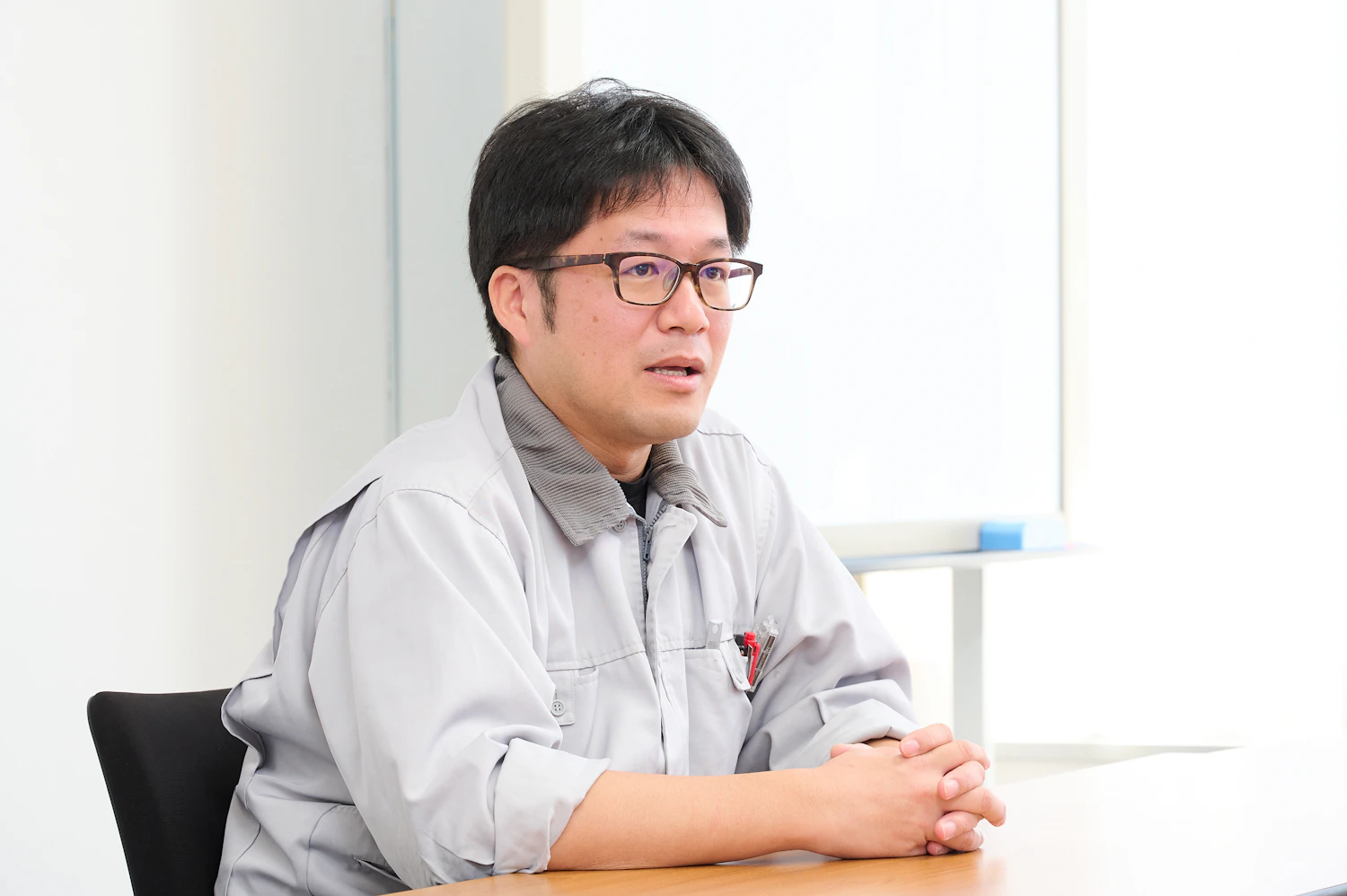
I don't have a lot of programming experience, so even when I can grasp what an analysis is doing in principle, actually running it on my own machine is another matter. So we divided the work: Kimura — who has strong computational skills and was already involved in MI in another business unit — took on the analysis, and I focused on the experimental side, which is where I'm strongest.
Even with that division of labour, I try as the analyst to spend as much time as I can on the experiment floor and in conversation with the experimenters to understand what's actually happening, and conversely the experimenters get hands-on with the analysis themselves. We've deliberately kept the analysis–experiment cycle tightly connected.
Spurred by Industry Change: Tackling a Long-Standing Goal of Shorter, Cheaper Development
Could you tell us what prompted you to adopt MI and what the situation looked like at the time?
In the metal-materials development we do, properties have to be evaluated not when a new material is first prototyped, but once it has been processed into a finished product. Because of that, it is easy to run into rework — you build the product, find it doesn't have the properties you wanted, and have to go back and change the material. The result is that development takes a great deal of time and money, and that had become a real problem for us.
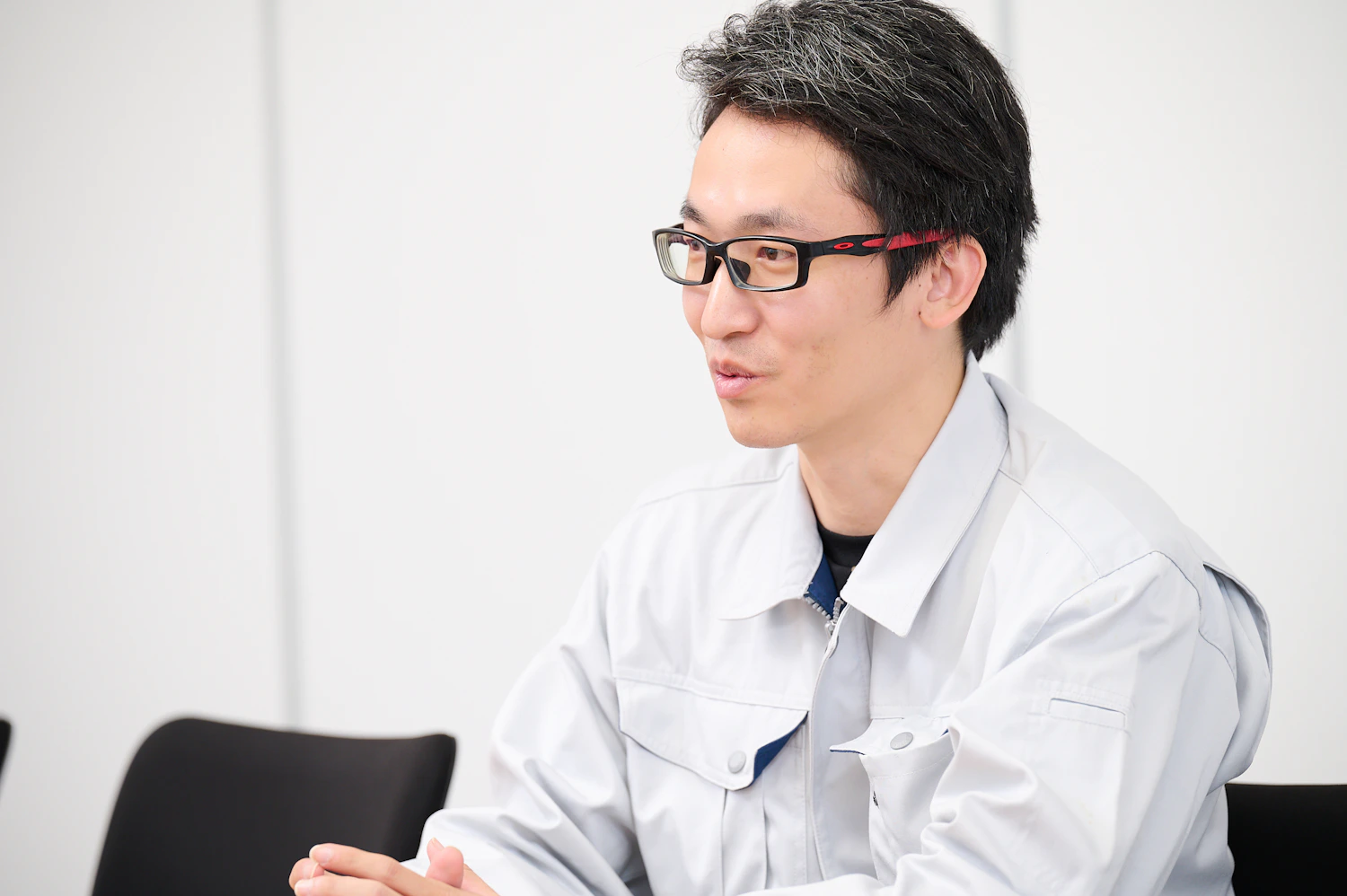
Development cycles of five years at the shortest, and more than ten at the longest, used to feel like something we simply had to accept. But AI has advanced quickly, and there are now real examples of companies using MI to compress their development timelines. The worry that we would fall behind on competitiveness if we carried on as we were is what pushed us to take up MI as part of the company-wide DX programme.
We assigned Yoshikawa and other team members who shared that sense of urgency, and started small with a pilot inside the Materials Chemistry Group.
What led you to adopt Hands-on MI®?
At the time, most of the early MI success stories were in chemicals and pharmaceuticals, and our impression was that metal materials had been slow to take it up. On one hand, that meant a real opportunity — if we could make MI work, it could differentiate us from competitors. On the other, it suggested MI is genuinely harder to apply to metal-materials development.
And from my own experimental experience, there are so many conditions to account for — processing conditions included — that my gut told me you couldn't just point AI at the problem and get clean predictions out.
Given those concerns, we concluded that to move quickly and prove the value of MI we would need MI specialists alongside us, which is what led us to Hands-on MI®. With zero in-house expertise, having experts walk the path with us was reassuring, and we were drawn to the fact that we could run analyses on our own data, tailored to our specific goals.
Expert Reviews and Discussions Significantly Lift the Team's Knowledge and Skills
How did the work progress after you adopted Hands-on MI®?
We didn't really know what we needed in order to use MI, or what we would get out of it, so we began by simply asking the MI-6 team where to start.
The first step was to test whether it would actually work. We shared the data we had and the predictions we wanted to make, and the MI-6 team ran the analysis. The predictions they came back with lined up closely with what our experience suggested.
That gave us a solid sense that MI does work for metal materials, and that there was real scope to do all kinds of things with it. On the back of that, we brought Kimura — who had been working on MI in another business unit — onto the team, set up a proper structure, and committed to a full rollout of MI inside the company.
At that point I was using MI to improve performance in a business unit, but I was finding it frustrating that no matter how much computation and analysis we did, it rarely translated into anything that made it into a product. The work in the Materials Chemistry Group was closer to basic research than what I'd been doing, but it felt like a place where I might actually be able to do the things I wanted to do — so I joined.
Now that you've shifted into a full MI rollout, what does the work look like today?
With the division of labour I described earlier, we're mainly running analyses using machine learning and other techniques, and then designing experiments and evaluating results based on what those analyses tell us.
Kimura takes care of everything from selecting the right technique for a given problem through to running it, and then walks us through the analysis. The trouble is that the rest of the team don't have enough specialist knowledge of each technique to push back critically on whether the choice of method was right, or whether the results really hold up.
That's where the MI-6 specialists have come in — providing the reviews and the technical discussions we need as the MI work progresses.
I work through the full analysis myself first, and then ask things like, "I ran this using this method — what do you think?" or, "Is this method really the right fit for the problem?" Sometimes we go deeper still and get into the specifics, like the matrix computations inside the analysis.
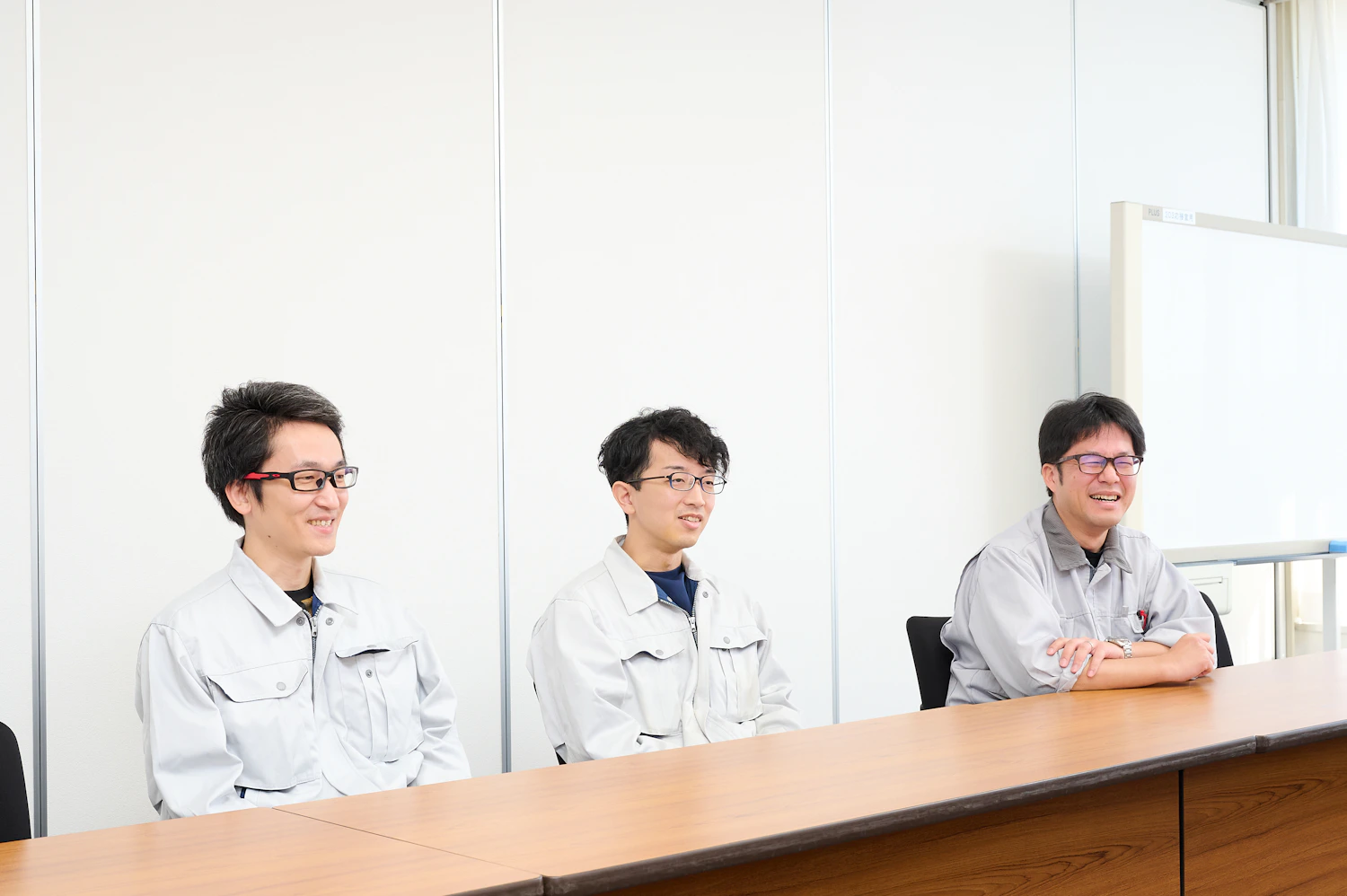
When you understand what's going on inside the analysis at that level, you can pick the right method for the problem efficiently, which frees up time for interpretation and ultimately raises the quality of the output. The way the team just gets stuck in and then deepens their understanding through discussion is genuinely impressive, and it's been a pleasure to work alongside them.
What have you gained from the work so far, and how would you rate MI-6's support along the way?
We get timely judgements on the results from the MI-6 team, and whenever we run into a question along the way they come back with answers and advice grounded in real expertise. That has been a huge help.
What's especially valuable is that they give us criteria for deciding which method to apply — the kind of judgement that's hard to extract from textbooks or papers. Where before we were running analyses without really knowing what we were doing or whether it was right, we can now use MI techniques with a clear rationale, and we've started to feel confident in both what we're doing and how accurate it is.
Kimura's growth has been remarkable as well. He came to the team already with a strong programming background, but how much his knowledge of machine learning and MI advanced in such a short time working with MI-6 genuinely surprised us.
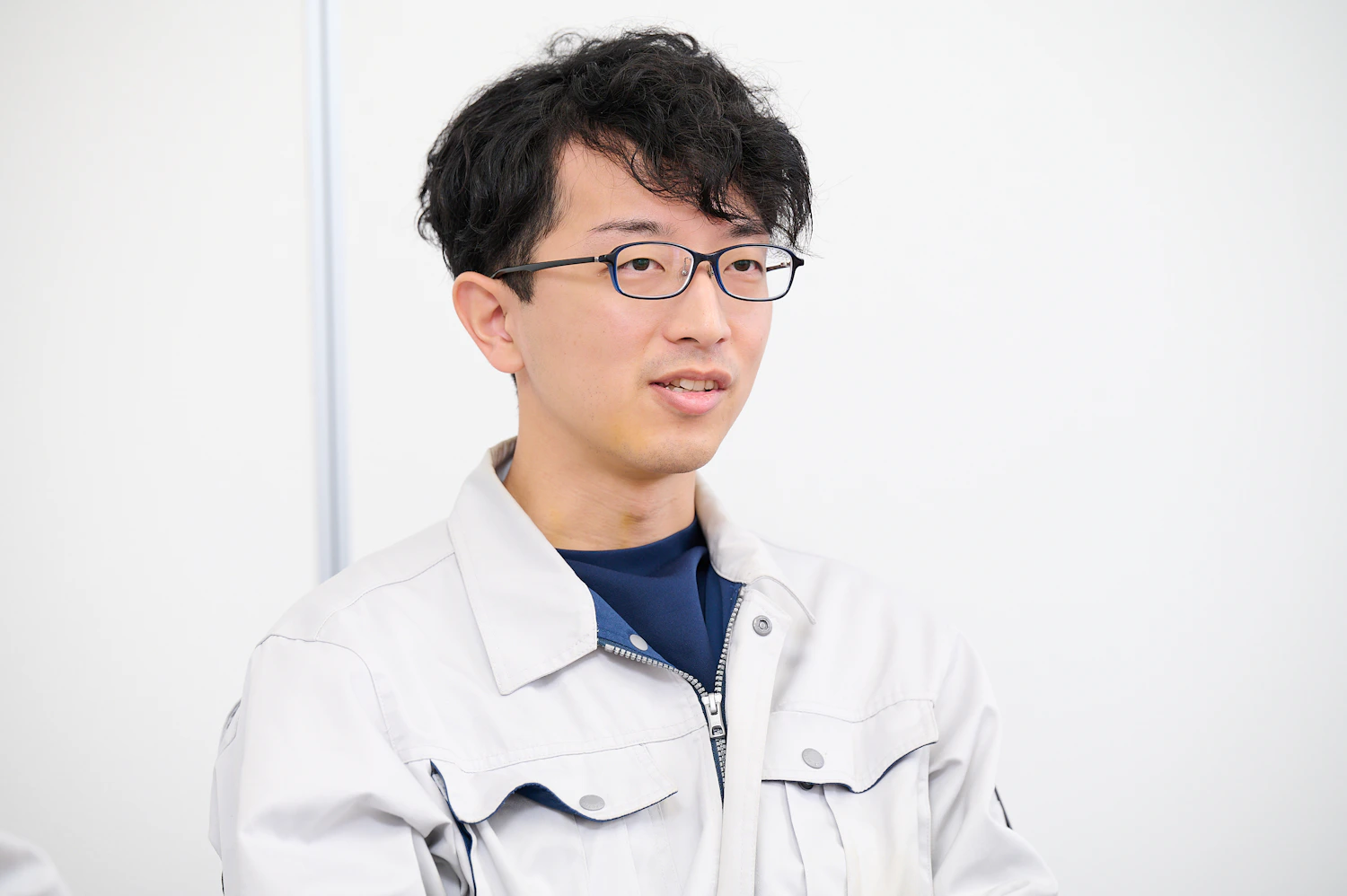
I don't have a deep background in the statistics that underpins machine learning and similar methods — everything I know about MI is self-taught. I was doing some of the computation on instinct, and I'm grateful that the MI-6 team filled in the statistical side for me and put to rest my worry about whether the calculations were really sound.
When I'm taking the lead on an analysis, having an external partner who casts a critical eye over what I'm doing, signs off on it and lends weight to what I say internally — that kind of support matters enormously.
Looking to MI-6 to Help Build the Team for the Next Phase of MI
What do you see as the main challenges ahead at this point?
One is data management. Right now, how experimental and evaluation data get stored depends on the individual doing the work, so things are not well organised. If we want to step up our use of data — eventually pulling in and analysing all the data from every step of the process — we need to think hard about how to build a database with consistent naming conventions that is genuinely searchable.
How data is stored makes a big difference to how easy it is to analyse, so I want to keep sharing what analysis is now making possible — and what's newly possible — to bring people on board.
The other challenge is hiring and developing analysts. I want to build up the number of people who can work with machine learning and other analysis methods, so that someone can casually say, "Look at the result I just got — have a look," as part of everyday conversation. That would broaden what we can do and also lighten the load on Kimura, who currently carries a lot on his own. Particularly as we roll MI out more widely inside the company, data-science literacy will need to spread across the organisation.
Finally, could you share your outlook for the future, and what you hope MI-6 can contribute along the way?
On the original problem — shortening development time and cutting costs — our goal is to use MI-led development to halve our current development timelines.
Looking further out, we want to extend MI techniques and machine learning beyond metal materials into other materials-development work and other business units.
To do that, the Materials Chemistry Group has to be in a position to say "yes, we can help" whenever other teams come to us. As Yoshikawa said, we want to put real effort into hiring and development, and build an organisation strong enough to lead this work.
One thing we'd like to ask of MI-6 is help with developing our people. The most effective way to build real knowledge isn't a one-off external course — it's working with your own data, writing your own code and running your own analyses. Given how closely MI-6 has worked with us already, it feels like a natural partner for that kind of programme, and we'd be grateful to work together on developing MI talent.
At MI-6 we are also thinking about how to support our customers' use of MI in ways that go beyond providing the tools. We don't yet have a formal offering around people development, but we would welcome the chance to discuss building one.
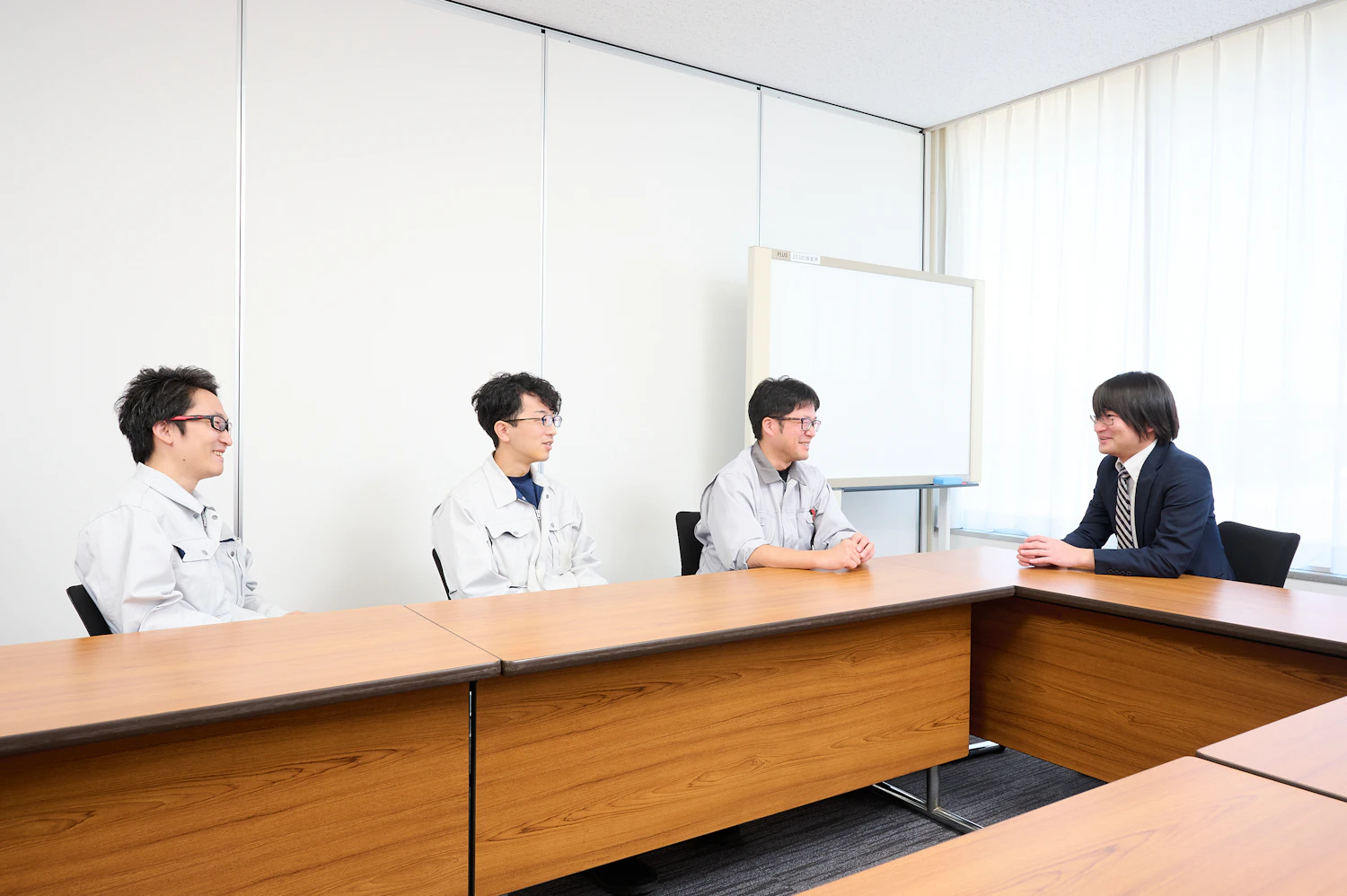
The Seiko Group has been paying more attention to open innovation lately, in response to how the world is changing, but at heart there's still a strong "do it ourselves" culture. Metal-materials development in particular is one of the group's core technologies, so even as we draw on outside specialists where it makes sense, we should hold the systems, knowledge and skills firmly in-house.
For that reason, getting the internal structure right is critical, and we'd like to consult MI-6 not just on training but also on hiring — for example, how best to reach people who combine MI expertise with a genuine interest in manufacturing.
To be candid, as our own capabilities grow, the areas where we need to lean on consultants should naturally narrow. Even so, our ideal is to keep MI-6 involved in the parts we genuinely can't do alone — keeping up with the latest techniques, for example — so that as an organisation we can sustain our capabilities. We're counting on MI-6's guidance to help us get there.
Our ideal is for you to be running independently in time, so we'll continue to support you with that graduation point firmly in view. We look forward to the work ahead.
Thank you very much to the team at Seiko Future Creation Inc. for generously sharing their time and insights.
*Note: The content of this interview is current as of December 16, 2024.
For any other inquiries regarding Materials Informatics (MI), please feel free to contact us at the email address below.
Business Development Department, MI-6 Ltd. bd@mi-6.co.jp